
kernahangroup.com
How to Get Organized for a Move — and Stay That Way After
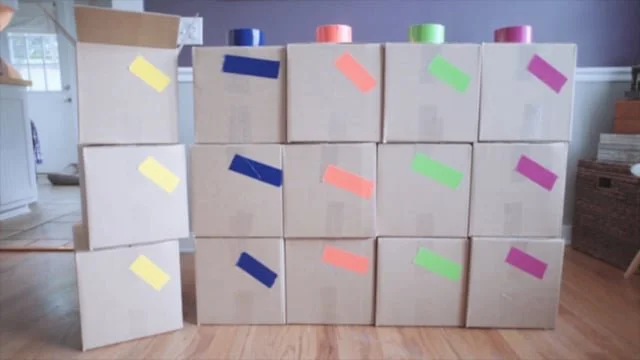
Moving is one of the most disruptive things you will do to your home and your nervous system. But it is also one of the most powerful opportunities you will ever have to reset how you live — what comes with you, how it's organized, and what kind of home you're actually trying to build on the other side. The difference between a move that takes three weeks to recover from and one that sets you up beautifully comes down almost entirely to one thing: preparation.
Whether you're moving across the city or across the country, the same principles apply. You need a plan, a system, and the discipline to start earlier than you think you need to. Here is exactly how we advise our clients to approach it — both before the movers arrive and after the last box hits the floor.
"A move isn't just a logistics problem — it's an editing opportunity. The home you set up on the other side should be better than the one you left."
The single biggest mistake people make when moving is treating it as a packing problem rather than an editing problem. If you pack everything you own and sort it out later, you will move your clutter to a new zip code and spend months unearthing it one box at a time. Don't do that.
Start eight weeks out with a room-by-room audit. For every item, ask yourself one question honestly: does this earn a place in my new home? Not "is it still good?" or "could I use it someday?" Does it earn a place in the life you're building next? If the answer is no, it leaves before the boxes do.
Donate what is still useful. Discard what is not. Sell what has real value. The goal is to arrive at your new home with only the things that belong there — which means the unpacking goes faster, the organization is cleaner, and you're not making decisions about a dusty bread maker at 11pm on moving night.
Tackle one room per weekend, starting with storage areas: basement, attic, garage, and closets. These are where the hard decisions live — tackle them first while you still have time and energy. Save the easy rooms (living room, guest bedroom) for last.
Once you know what's coming with you, packing needs to be deliberate. Boxes labeled "misc" are the enemy of a smooth move. Every box should have a destination room, a contents summary, and a priority level — so on the other end, the people carrying boxes know where they go and you know which ones to open first.
- Assign a color to each room and mark every box accordingly — colored tape or markers work perfectly
- Write the contents and room name on at least two sides of each box, not just the top
- Designate a "first night" box for each bedroom: sheets, towels, chargers, toiletries, coffee. This box gets unpacked before everything else
- Pack books in small boxes. Everything else in medium. Linens and pillows in wardrobe boxes or large bins
- Photograph the back of your TV stand and entertainment center before you disassemble it — you will thank yourself later
- Keep all hardware (screws, bolts, shelf pegs) in labeled zip-lock bags taped to the item they belong to
The week before your move is not when you want to be making decisions. The more you resolve in advance, the smoother the day goes — and the less likely you are to arrive at your new home without a shower curtain rod, only to find that the one hardware store in walking distance closed at six.
Confirm your movers at least five days out. Walk through your new home if possible and measure any furniture you're not sure will fit — especially sofas, king beds, and large dining tables. Note which rooms need furniture placement decisions made on the spot, so you can direct movers confidently instead of hesitating in a doorway while they hold a dresser.
Update your address with USPS, your bank, insurance carriers, and subscription services before you move — not after. Forward your mail as a backup, not a plan. Schedule utility transfers to start the day before you move in, not the day of.
You cannot unpack the whole house in one day. Trying to do so leads to decisions made out of exhaustion, furniture placed where it's easiest rather than where it belongs, and a home that feels chaotic for weeks. Instead, unpack in order of impact.
"Unpack the bedroom first. A made bed and a functioning bathroom tell your nervous system that you're home — everything else can wait."
The bedroom goes first. Beds assembled, linens on, curtains or shades hung for privacy. Then the bathroom — essentials only, enough to function. Then the kitchen, because cooking even one simple meal in your new home changes how it feels. Everything else is secondary to those three spaces.
As you unpack each room, take a moment before you put anything away to ask where that item actually belongs in this new layout. Moving is a rare chance to set up your home without the inertia of where things have always been. Take it. The junk drawer doesn't have to live in the kitchen. The coat closet doesn't have to hold sports equipment. You get to decide fresh.

The biggest missed opportunity after a move is settling into the same organizational habits you had before. You've just gone through the effort of editing, packing, and setting up — use that momentum to build systems that actually work.
Every high-traffic area needs a home for everything that naturally accumulates there. The entryway needs hooks, a tray for keys, and a spot for bags. The kitchen counter needs to be clear of everything that doesn't belong there daily. The bathroom needs storage that accounts for every person using it, with no items living on the counter that don't need to.
Give yourself a six-week rule: if something doesn't have a permanent home by six weeks after move-in, you need to either create one or get rid of it. Boxes that aren't unpacked in the first month tend to stay packed indefinitely — and they're almost always full of things you didn't need to bring.
- Kitchen: Edit your pantry before you stock it. Group by category. Label shelves. Resist the urge to just put things where they fit
- Closets: Invest in consistent hangers and storage bins before you hang everything — mismatched closets never feel finished
- Home office: Cable management on day one. It never gets done later
- Garage / basement: Install shelving before you put anything down there. Items placed on the floor become permanent
- Kids' rooms: Involve them in setup — ownership leads to maintenance. Label bins with pictures if they're young
- Start decluttering six to eight weeks before your move date
- Pack and label by room with a color-coding system
- Assemble a "first night" box for every bedroom
- Unpack bedroom and bathroom on day one, kitchen on day two
- Pause before placing items and ask where they really belong
- Build systems in high-traffic areas before they get cluttered
- Apply the six-week rule: unpacked box = donate it
- Pack first and edit later — you'll just move the problem
- Label boxes "miscellaneous" or "stuff"
- Try to unpack every room in one day
- Place furniture where it's easiest, not where it works
- Default to the same organizational habits you had before
- Stock the pantry or fill closets before you have a system
- Leave boxes in the garage "to deal with later"
A move, done right, is not just a change of address — it is a chance to inhabit your life more intentionally. The home you build on the other side of a well-organized move is quieter, more functional, and genuinely easier to maintain. That is worth the extra weeks of preparation.
And if part of what's ahead is finding that next home — the right one, in the right neighborhood, at the right moment — that's exactly what we do.
Let's Find You the Right Home First
Whether you're buying, selling, or both — we'll help you get from where you are to where you want to be, with a strategy that works from the first showing to the last box unpacked.
Call 847.877.7100