
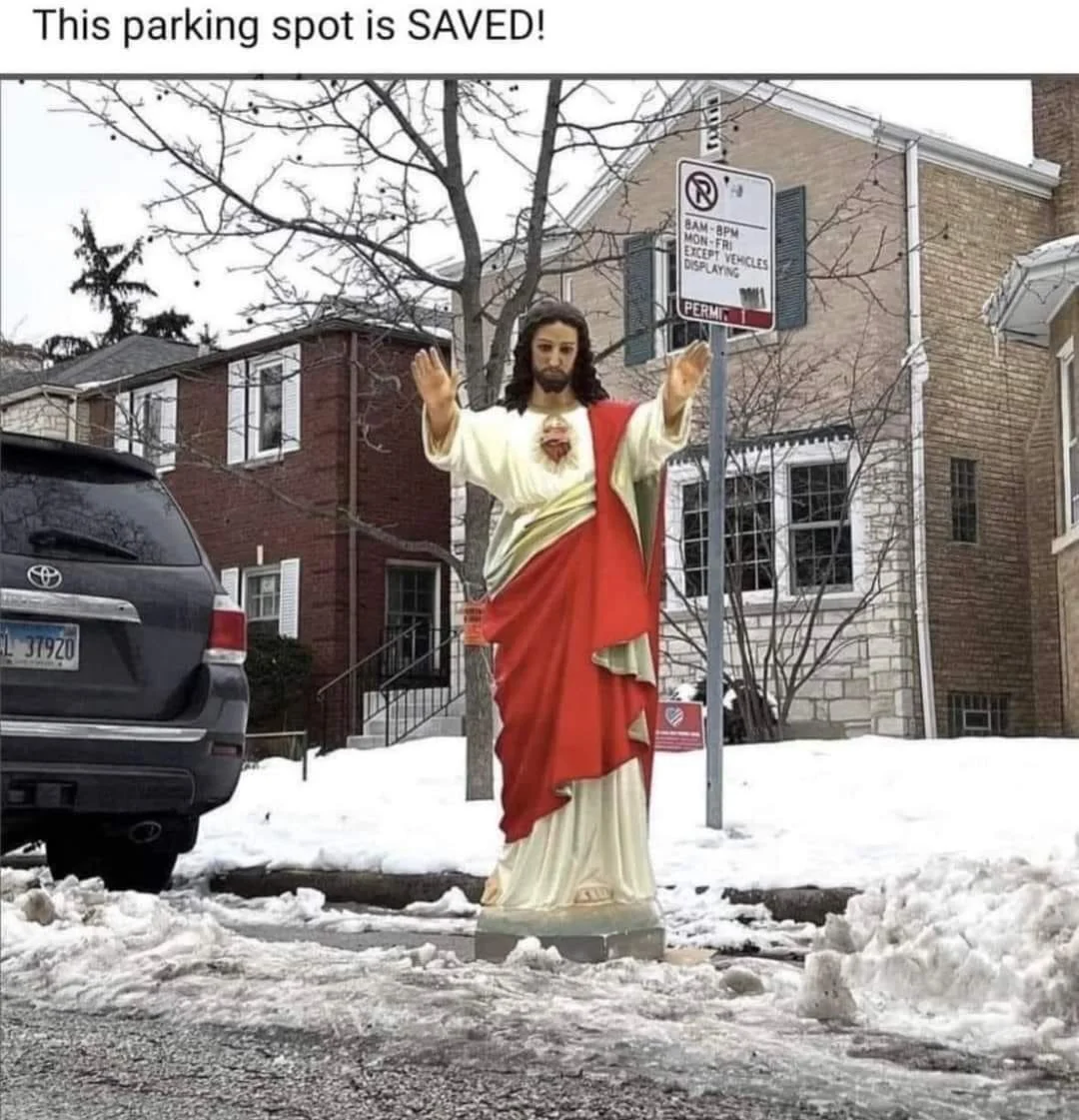
What’s the story behind "dibs" — and why is it such a time-honored tradition in Chicago?
In short: you shovel it, you own it. For decades, Chicagoans have claimed their freshly cleared parking spots with folding chairs, bar stools, milk crates, and anything else that says: "Respect the effort." It's a little quirky, a little rebellious, and entirely Chicago.
Where Dibs Began — and Why It Stuck
Dibs has been around since at least the 1967 snowstorm, when a blizzard dropped nearly two feet of snow on the city. People were digging their cars out with whatever they had — shovels, ice scrapers, sheer determination. And once that back-breaking work was done, well, they wanted to keep their spot.

Over the years, what started as a practical move turned into a neighborhood custom. Chicagoans knew: when the snow piles high, so do the folding chairs. From Bridgeport to Rogers Park, you’d find parking spots lovingly marked with patio furniture, buckets, or even Christmas trees.
It wasn’t just about convenience. It was about community respect. Everyone knew the rule — and even if you didn’t like dibs, you understood it.
A Symbol of Chicago Toughness (and Charm)
Dibs isn’t officially sanctioned. In fact, the city technically bans saving spots with personal items. But in practice? It's part of the fabric of winter in Chicago. Think of it as one of those "unwritten rules" that makes this city what it is.
More than that, it’s a symbol of Chicago grit. It says: "I fought the snow. I won. And this chair is my trophy." There's something beautifully democratic about it. Doesn't matter who you are — if you dig out your car, you get your seat at the curb.
Creative Dibs: When Street Parking Becomes Art
While the classic folding chair is the go-to, Chicagoans have taken dibs to a whole new level of creativity. Some of the most memorable dibs markers include:
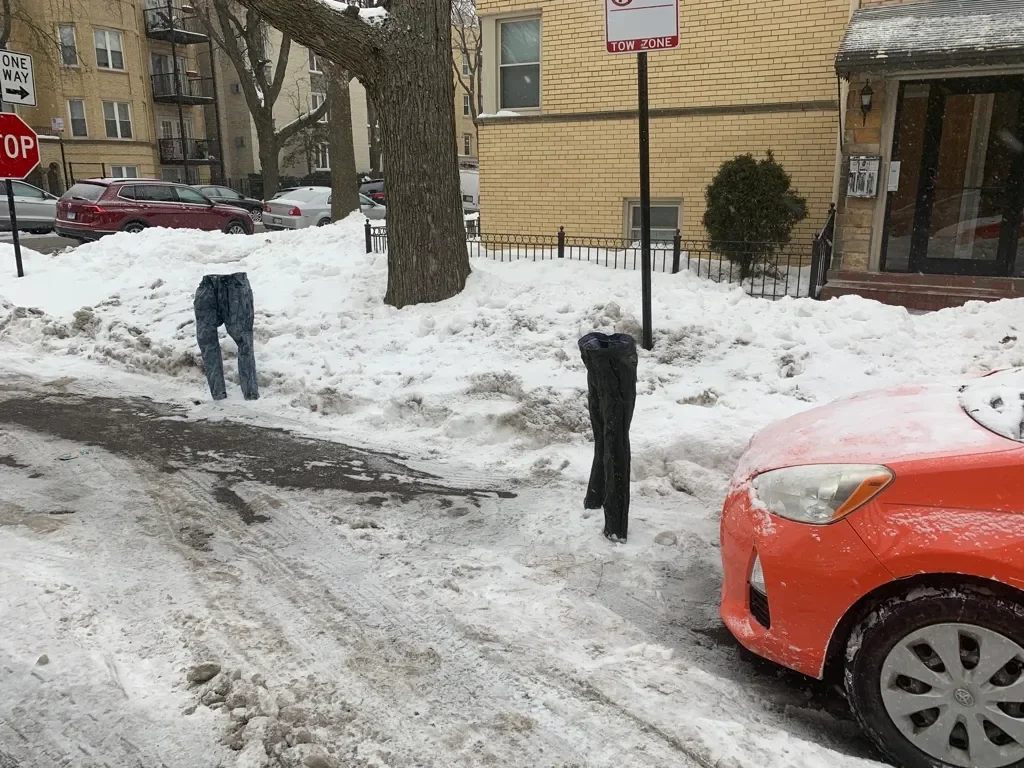
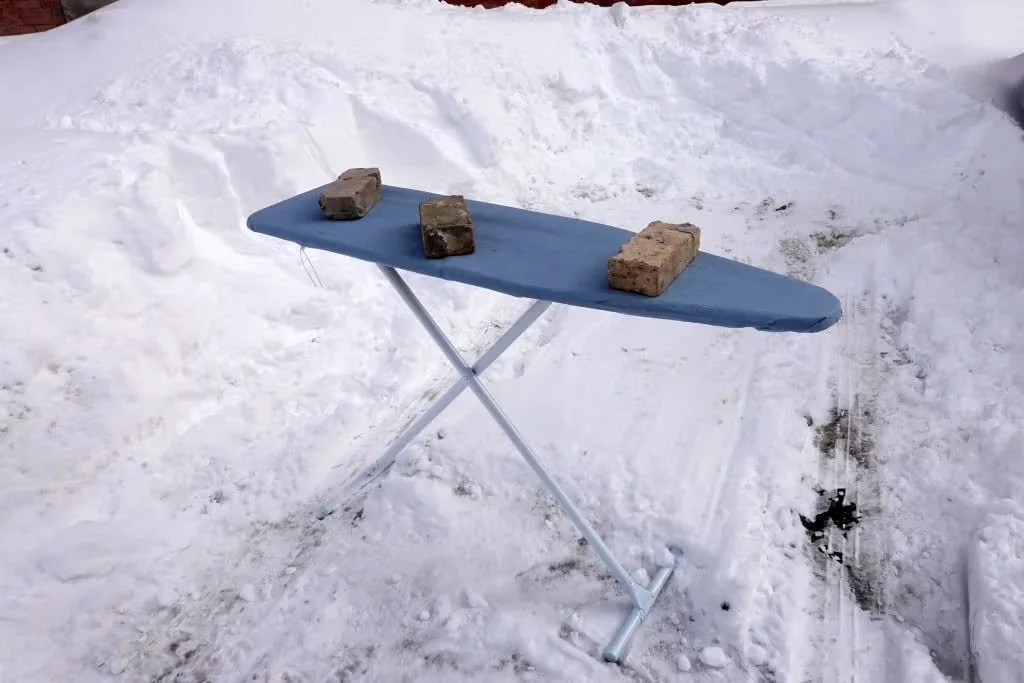
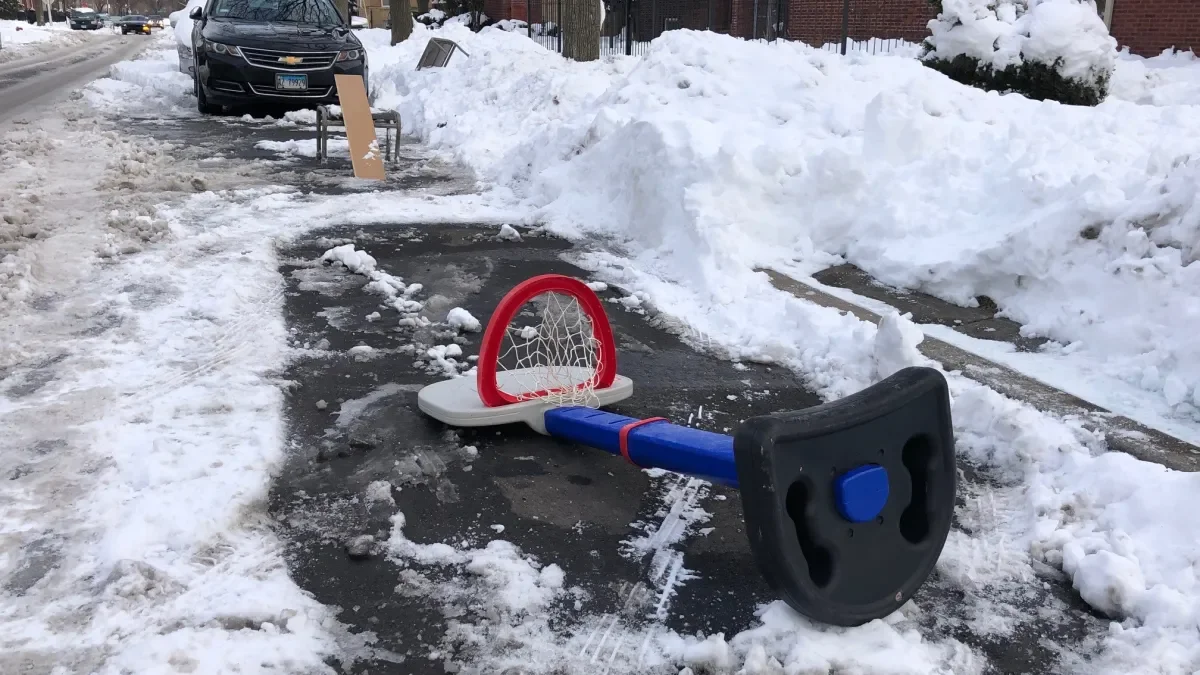
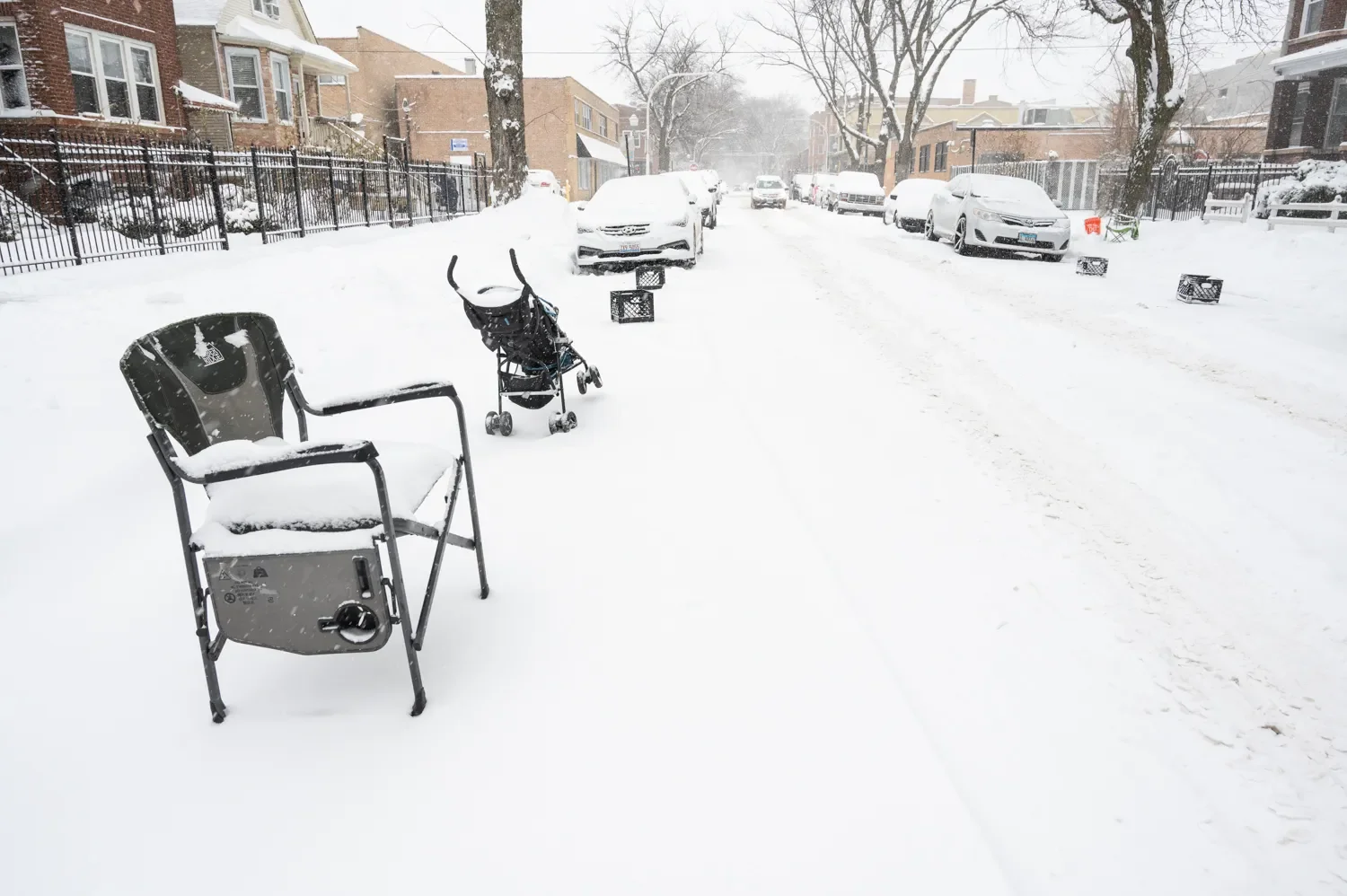
These displays are more than placeholders. They're winter street art — bold, practical, and weirdly endearing.
Why Dibs Matters When You’re House Hunting
If you're buying or selling in Chicago, traditions like dibs are more than just fun facts — they're part of how neighborhoods work. They tell you about pride of place, community norms, and the kind of hustle that defines city living.
At Kernahan Group, we love helping buyers and sellers understand the heartbeat of a neighborhood — and that includes knowing why there’s a random chair in the street come February.
Want more local insights like this? Follow Kernahan Group for stories, strategies, and real talk about living in Chicago and the North Shore.